
Are your printed backpacks fading or tearing too soon? This hurts your brand’s reputation1 and leads to customer complaints2. The real solution is choosing the right durable fabric from the start.
For a durable printed backpack, focus on three things. First, use a high-density fabric like 600D+ Oxford or nylon3 for wear resistance. Second, choose heat transfer or reactive printing4g](https://www.sourceoffabric.com/reactive-printing/)%%%FOOTNOTE_REF_5%%% for lasting color. Finally, add a waterproof and scratch-proof coating6 for ultimate real-world protection.
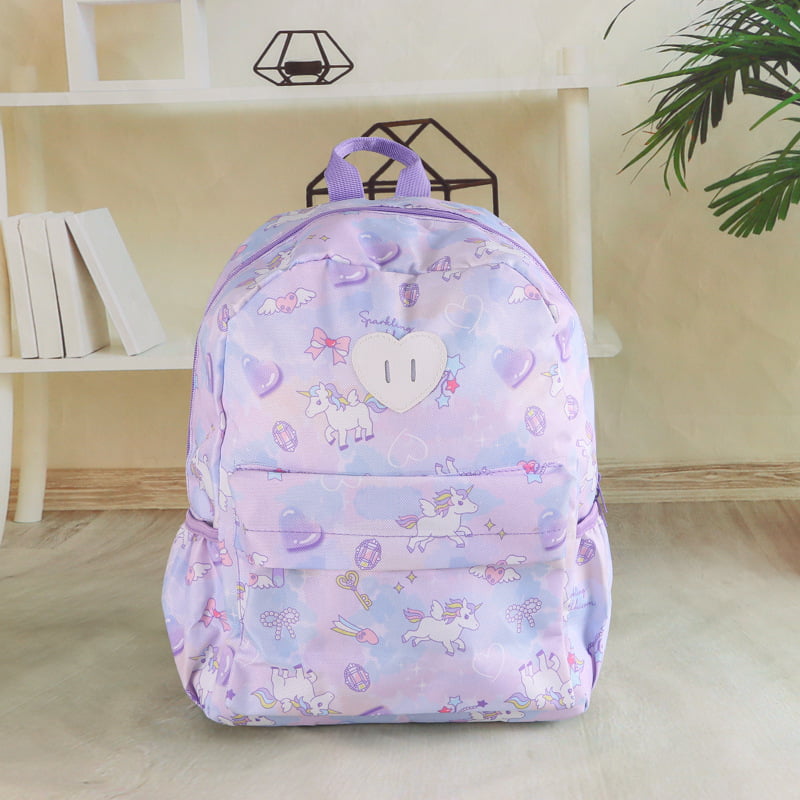
Getting these three things right sounds simple. But the details really matter. After 20 years of making backpacks, I've learned that these details are what separate a good product from a great one. Let's break down each point. This will help you make the best choice for your brand and avoid common pitfalls. Understanding these elements is the foundation for building products that last and building a reputation that endures.
What fabric material is best for wear and tear?
Worried your backpacks will look worn out after a few uses? Pilling and tearing can make a quality product look cheap. The solution is choosing a high-density base material from the very beginning.
For maximum durability, prioritize high-density nylon7 or encrypted Oxford fabric8, specifically 600D or higher. These materials are highly resistant to abrasion and tearing. They maintain their look and feel over time without pilling, ensuring the backpack remains a quality product for your customers.
In my experience, the base fabric is the heart of the backpack. You can have a great design, but if the material fails, the whole product fails. That’s why we look closely at the fabric's construction. The "D" in 600D stands for Denier, which is a measure of the thickness and weight of the fiber. A higher denier number means a thicker, stronger, and more durable thread. While some might be tempted by lighter, cheaper fabrics like 300D polyester, they just don't hold up to daily use. They are more likely to tear at the seams and show wear very quickly. High-density nylon offers excellent strength and a smooth finish, while [600D Oxford fabric](https://www.oxfordfabric.net/news/why-600d-fabric-is-ideal-for-backpack-and-luggage-manufacturing.html)9 provides a fantastic balance of durability, texture, and cost. I always guide my partners to use 600D Oxford as a minimum standard. It protects your investment and your brand’s reputation1 in the long run.
Fabric Durability Comparison
| Fabric Type | Abrasion Resistance | Tear Strength | Pilling Resistance | Typical Use Case |
|---|---|---|---|---|
| Standard Polyester (<400D) | Low | Low | Low | Promotional, low-cost bags |
| 600D Oxford | High | High | High | Daily backpacks, school bags |
| High-Density Nylon | Very High | Very High | Very High | Travel, outdoor, premium bags |
| Canvas | Medium | High | Medium | Fashion and casual bags |
How do you keep prints from fading or rubbing off?
Is your backpack's beautiful print fading after just a few weeks? Faded prints make your product look low-quality and lead to returns. The secret to a long-lasting design is in the printing method you choose.
To ensure your prints last, choose heat transfer or reactive printing4g](https://www.sourceoffabric.com/reactive-printing/)%%%FOOTNOTE_REF_5%%%. These methods bond the ink deeply with the fabric fibers. This gives them excellent color fastness, preventing the design from fading, cracking, or rubbing off even with daily use and friction.

A vibrant print is often the main reason a customer chooses a specific backpack. If that print fails, you lose the customer's trust. I’ve seen this happen. A client once insisted on a cheaper screen printing method to save a few cents per bag. The initial samples looked great. But the final products had issues with the ink cracking after being folded for shipping and storage. The customer complaints2 were a headache for them. This is why we now strongly recommend either heat transfer or reactive printing4g](https://www.sourceoffabric.com/reactive-printing/)%%%FOOTNOTE_REF_5%%%. Heat transfer uses a pre-printed sheet that is applied to the fabric with heat and pressure. This is perfect for complex, multi-color logos and designs. Reactive printing is a chemical process where the dye becomes part of the fabric itself. It gives the softest feel and the best wash durability. It costs a bit more, but the result is a print that feels like it was woven into the fabric, because it basically is.
Printing Method Comparison
| Printing Method | Color Vibrancy | Durability (Rub/Wash) | Fabric Feel | Best For |
|---|---|---|---|---|
| Screen Printing | Good | Medium | Ink layer can be felt | Simple, bold graphics |
| Heat Transfer | Excellent | High | Slightly stiff at first | Complex, multi-color designs |
| Reactive Printing | Excellent | Very High | Very Soft, no feel | Premium, all-over prints |
| Digital Sublimation | Excellent | Very High | Very Soft, no feel | Polyester-based fabrics only |
Why is an extra coating necessary for durability?
A little rain or a minor scrape should not ruin a backpack, right? But often it does, soaking the contents or leaving permanent ugly marks. A protective coating provides that essential final layer of defense.
An extra coating is crucial for real-world durability. A waterproof coating, like PU or PVC, keeps the contents dry during unexpected rain. A scratch-proof finish protects both the fabric and the print from daily bumps and scrapes, keeping the backpack looking new for longer.
 Think of a coating as insurance for the backpack. The base fabric provides the strength, but the coating provides the protection from the environment. We typically use a PU (Polyurethane) or PVC (Polyvinyl Chloride) coating10 on the back side of the fabric. PU is my preferred choice. It's more flexible, lighter, and better for the environment than PVC. It creates a reliable waterproof barrier without making the fabric stiff. This simple addition makes a huge difference to the end-user. Imagine your customer gets caught in a downpour. When they open their bag and find their laptop and papers are perfectly dry, their trust in your brand skyrockets. This coating also adds a layer of structural integrity. It helps prevent fraying and adds another dimension of durability. It protects the fabric from moisture that could weaken the fibers over time. It's a small, inexpensive step in production that delivers a massive return in customer satisfaction and product lifespan.
Coating Type Comparison
| Coating Type | Waterproof Level | Flexibility | Durability | Common Application |
|---|---|---|---|---|
| PU (Polyurethane) | Good to Excellent | High | High | Most backpacks, apparel |
| PVC (Polyvinyl Chloride) | Excellent | Low to Medium | Very High | Heavy-duty tarps, bags |
| DWR (Surface Finish)11 | Good (Repellent) | High | Medium | Outer layer for beading water |
| No Coating | None | High | Low | Interior pockets, liners |
Conclusion
Choosing durable fabric, the right print method, and a protective coating is not a cost. It is an investment in your brand's reputation and your customers' long-term satisfaction.
Understand the role of material quality in building a strong brand reputation and ensuring customer loyalty. ↩
Learn how selecting durable materials and coatings can prevent issues that lead to customer dissatisfaction. ↩
Discover why 600D+ Oxford or nylon is recommended for wear resistance in backpacks, ensuring durability and customer satisfaction. ↩
Learn how these printing methods ensure lasting color and prevent fading, maintaining the quality of your backpack designs. ↩
Understand how reactive printing bonds dye with fabric fibers, offering excellent wash durability and a soft feel. ↩
Explore how these coatings protect backpacks from environmental damage, enhancing durability and customer trust. ↩
Understand the advantages of high-density nylon in providing strength and a smooth finish for long-lasting backpacks. ↩
Find out how encrypted Oxford fabric offers resistance to abrasion and tearing, ensuring quality and longevity. ↩
Discover the balance of durability, texture, and cost that makes 600D Oxford fabric ideal for everyday use. ↩
Explore the durability and heavy-duty applications of PVC coating, along with its environmental impact. ↩
Discover how DWR finish provides a water-repellent layer, protecting backpacks from moisture. ↩